2 weeks ago
3 weeks ago
3 weeks ago
4 weeks ago
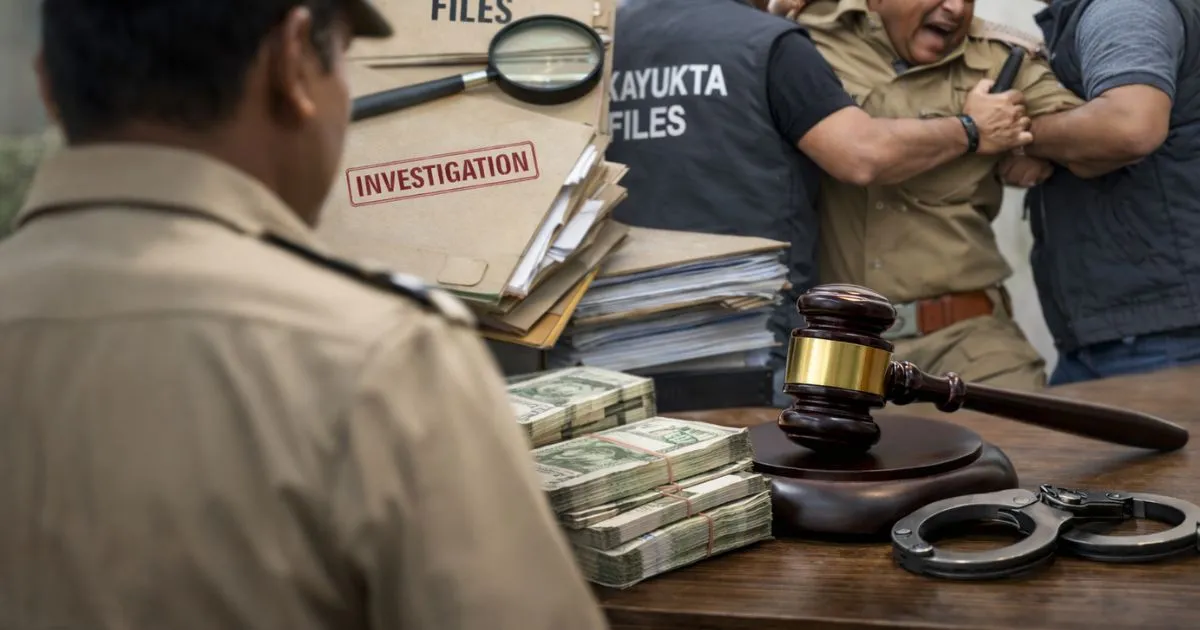
The bribery case involving Bengaluru Police Inspector Govindaraju continues to draw attention weeks after he was caught allegedly accepting ₹4 lakh in a Lokayukta trap. While the dramatic arrest video sparked public outrage, the investigation is now moving into its next phase.
The case first came to light after Karnataka Lokayukta officials arrested Inspector Govindaraju in a ₹4 lakh bribery trap. Our previous report explains how the sting operation was conducted, what the complainant alleged, and the legal sections invoked. Read the full background story here:
👉 Karnataka Lokayukta Arrests Bengaluru Police Inspector Govindaraju in Bribery Case
Inspector Govindaraju, who was posted at K.P. Agrahara police station, was caught red-handed by Karnataka Lokayukta officials during a sting operation. The trap was laid after a complaint from a builder who alleged that the officer demanded money to drop his name from a case.
The Lokayukta registered a case under the Prevention of Corruption Act. Officials recovered marked currency notes during the operation.
As of now:
The investigation remains ongoing
Statements from witnesses are being recorded
Financial transactions linked to the officer are under scrutiny
Authorities are examining whether others were involved
No chargesheet has been filed publicly yet. Court proceedings are expected once the investigation is complete.
In corruption cases involving serving officers, two parallel processes typically occur:
Criminal investigation under anti-corruption law
Departmental inquiry by the police department
If found guilty, penalties can include suspension, dismissal, or imprisonment depending on court findings.
A video showing the inspector resisting arrest went viral on social media. Former police officials have commented that such incidents damage public trust in law enforcement.
The next key steps include:
Filing of chargesheet by Lokayukta
Bail hearings or custody review
Departmental suspension or internal inquiry findings
Legal experts say such cases usually take several months before reaching trial stage.
2 weeks ago
2 weeks ago
2 weeks ago