2 days ago
5 days ago
1 week ago
1 week ago
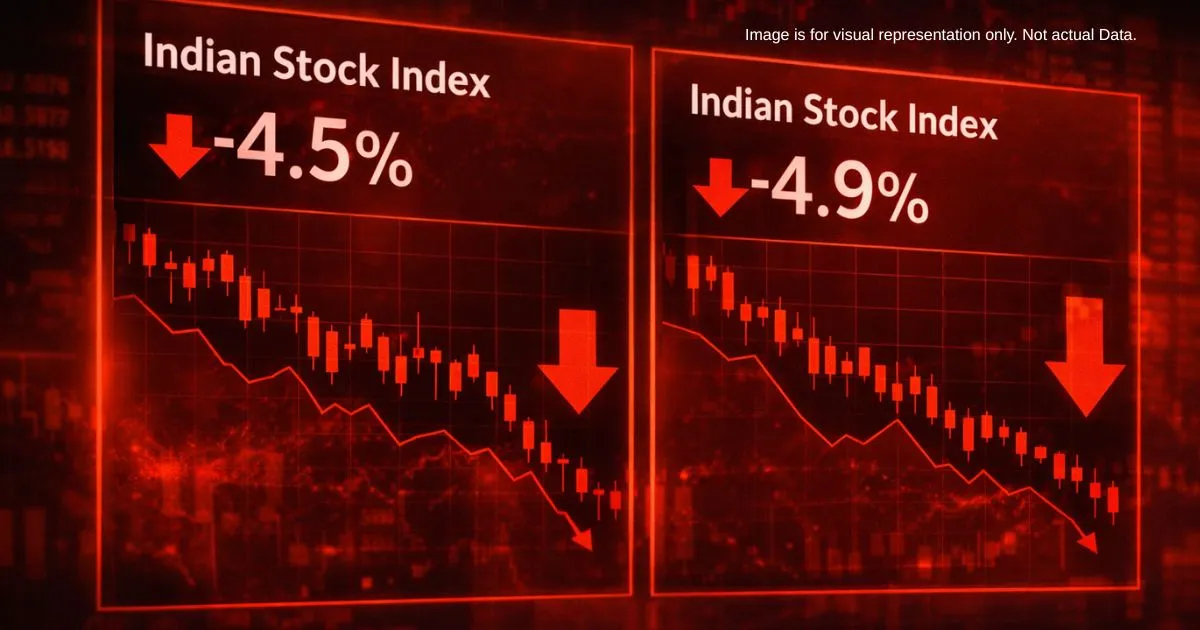
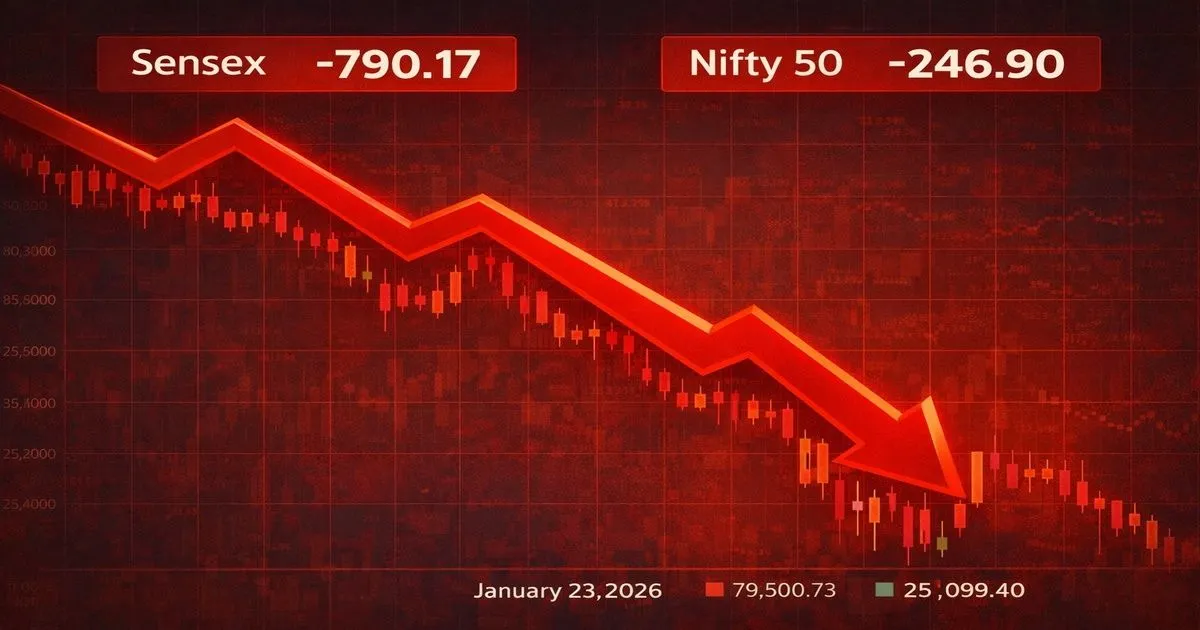
On Monday, March 30, 2026, the Indian stock market witnessed one of its most harrowing sessions in recent history. A "perfect storm" of geopolitical escalations, surging crude oil prices, and massive Foreign Institutional Investor (FII) outflows triggered a ₹10 lakh crore (₹10 trillion) wipeout of investor wealth in a single trading day.
The BSE Sensex plummeted over 2,800 points, while the NSE Nifty 50 broke crucial support levels, ending the day deep in the red.
The meltdown was not a localized event but a reaction to a deteriorating global landscape:
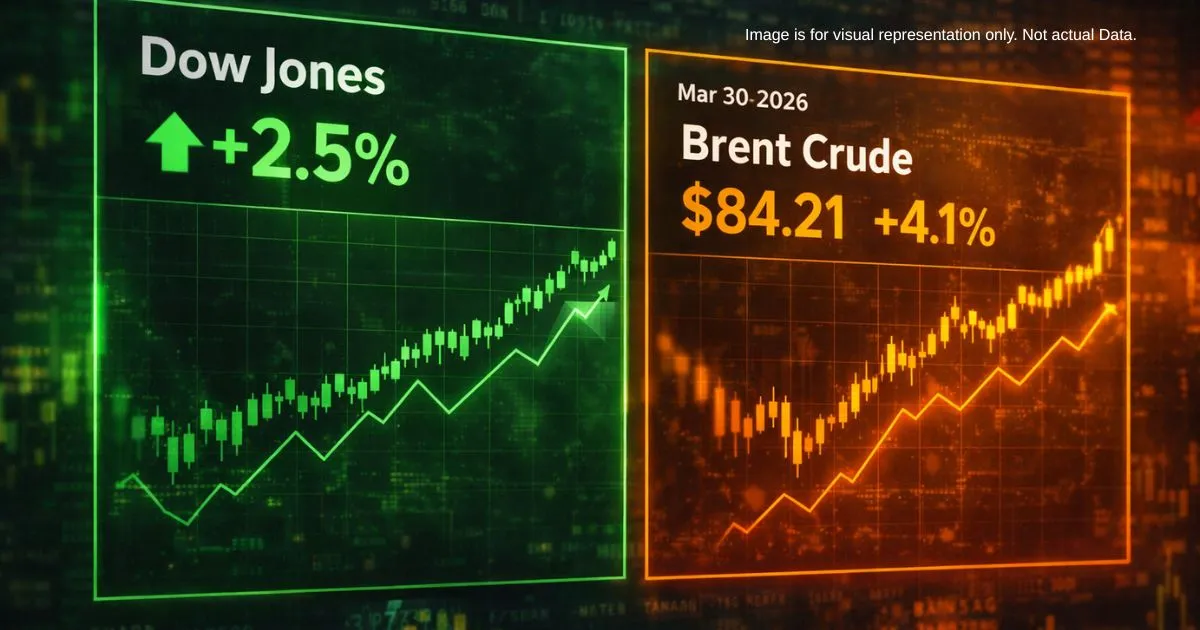
The "Hormuz" Anxiety: Despite the recent "Blue Corridor" breakthrough for food, the continued military blockade of oil tankers in the Strait of Hormuz has pushed Brent Crude toward $140 per barrel.
FII Exodus: Anticipating a prolonged conflict in the Middle East, foreign investors pulled out an estimated ₹15,000 crore from Indian equities in just six hours, seeking the safety of the US Dollar and Gold.
Margin Call Cascades: As prices fell, automated "margin calls" triggered further forced selling from leveraged retail accounts, accelerating the downward spiral.
Sectoral Impact of the March 30 Meltdown
| Sector | Percentage Fall | Key Reason |
| Banking (Bank Nifty) | -4.2% | Concerns over rising NPAs and inflation-led rate hikes. |
| Information Tech (IT) | -5.1% | Global recession fears and reduced US tech spending. |
| Oil & Gas | -6.8% | Sky-high raw material costs for OMCs. |
| Small & Mid-caps | -8.5% | Severe liquidity crunch and panic retail selling. |
This meltdown isn't just a number for traders; it has real-world implications for everyone:
Mutual Fund NAVs: Expect a significant drop in your SIP and Mutual Fund valuations over the next 48 hours.
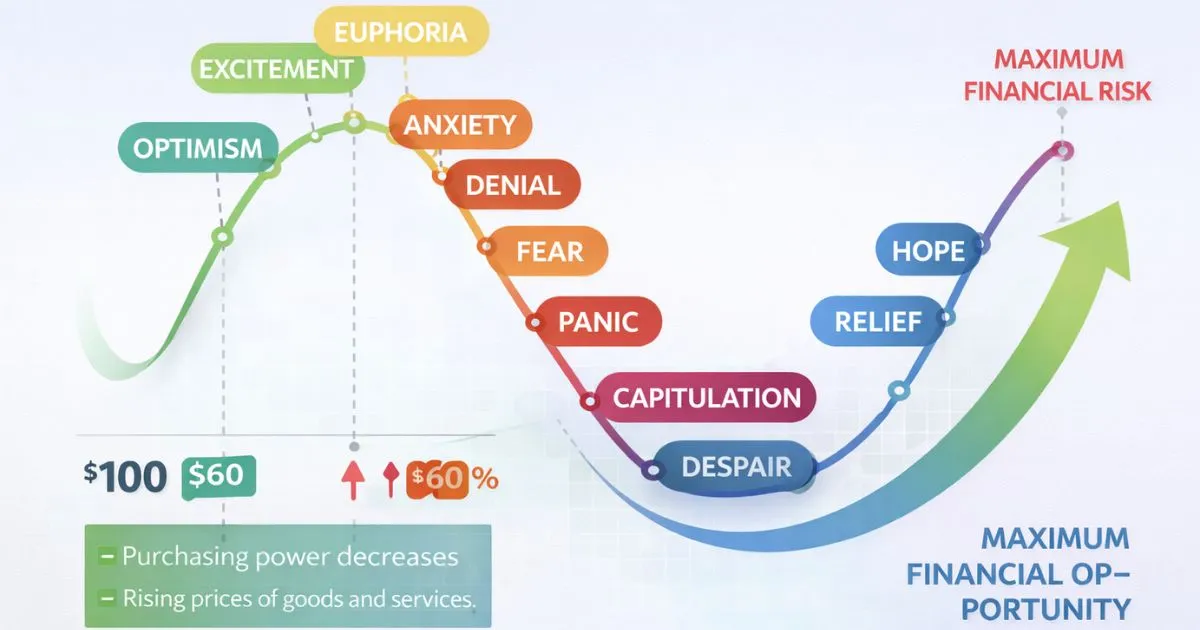
Inflation Risk: With the Rupee hitting a record low against the Dollar today, imported goods (electronics, fuel, edible oils) are set to become more expensive.
Gold as a Hedge: While stocks crashed, Gold prices surged by 3.2% today, reaffirming its status as a "safe haven" during wartime.
Financial experts urge a "Zero Panic" policy.
Avoid Revenge Trading: Do not try to "average down" using borrowed money during high volatility.
Review Fundmentals: If you hold "quality" blue-chip stocks, historical data shows they eventually recover.
Keep Cash Ready: For long-term investors, such meltdowns often provide once-in-a-decade entry points into market leaders at a discount.
Source / Resource: Market data synthesized from NSE/BSE Real-time Feeds, Bloomberg Quint 2026 Market Tracker, and RBI Monetary Policy Sentiment Analysis. https://www.moneycontrol.com/
1 hour ago
2 hours ago
13 hours ago
1 day ago