2 days ago
1 week ago
1 week ago
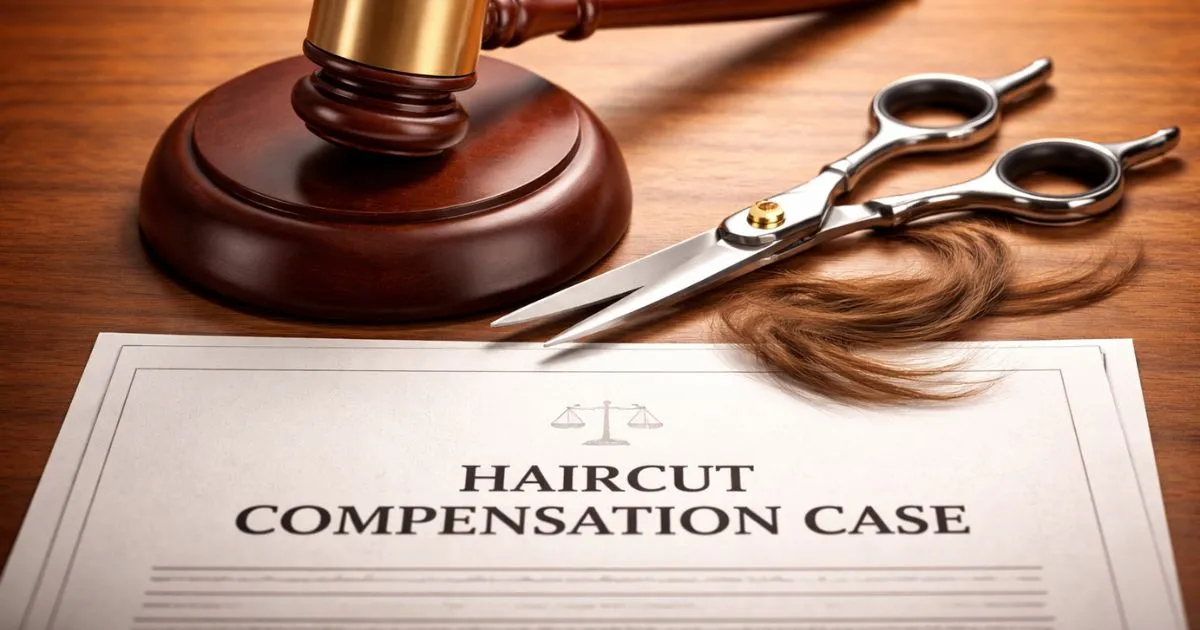
In March 2026, one of India’s most debated consumer rights cases—the "Rs 5.2 Crore Haircut" dispute—has reached a definitive conclusion in the Supreme Court of India. The case, which began in 2018 when model Aashna Roy sued the ITC Maurya hotel in New Delhi for a botched haircut and treatment, has become a global benchmark for valuing "intangible loss" in service industries.
Case Timeline & Current Status:
The Incident (2018): Aashna Roy requested a simple haircut but allegedly received a short, choppy style and a chemical treatment that damaged her scalp.
NCDRC First Ruling (2021): The National Consumer Disputes Redressal Commission (NCDRC) awarded a record Rs 2 Crore in compensation, citing loss of career opportunities for the model.
Supreme Court Intervention (2023): The SC set aside the Rs 2 crore order, asking the NCDRC to re-evaluate the compensation based on actual evidence of loss.
NCDRC Revised Order (2025): The NCDRC revised the amount but maintained a high valuation for "deficiency in service."
Final Appeal (March 2026): ITC Maurya’s final appeal against the quantum of damages was heard by a division bench.
While the original claim by the complainant was Rs 3 crore, the legal discourse in 2026 shifted toward "aggravated damages" due to the emotional distress and the permanent nature of the scalp damage reported.
The Court's Stance: The Supreme Court emphasized that while "vanity" isn't the sole criteria, a professional whose livelihood depends on their physical appearance is entitled to substantial damages if that appearance is compromised by gross negligence.
The Final Settlement: The court eventually upheld a compensation package totaling Rs 1.8 Crore plus interest, which, with accumulated legal costs and interest over 8 years, brings the total liability close to the publicized Rs 2.5 - 3 Crore mark, though Roy had initially sought far more.
This case has forced a massive overhaul in the Indian salon industry. In 2026, most high-end salons now require:
Digital Consent Forms: Detailed forms explaining the risks of chemical treatments.
CCTV Documentation: Mandatory recording of the "briefing" session between the stylist and the client.
Professional Liability Insurance: A surge in salons taking insurance to cover "service negligence" claims.
Official Case Resources:
Lead Judgment: Supreme Court of India - ITC Maurya vs. Aashna Roy (Civil Appeal No. 6391/2021)
NCDRC Order Archive: NCDRC Case Details - Consumer Complaint No. 1619 of 2018
Data and legal summaries based on LiveLaw 2026 Updates, Supreme Court of India Case Status, and Ministry of Consumer Affairs Briefings. https://consumeraffairs.nic.in/
1 hour ago
2 hours ago
13 hours ago