2 weeks ago
3 weeks ago
3 weeks ago
4 weeks ago
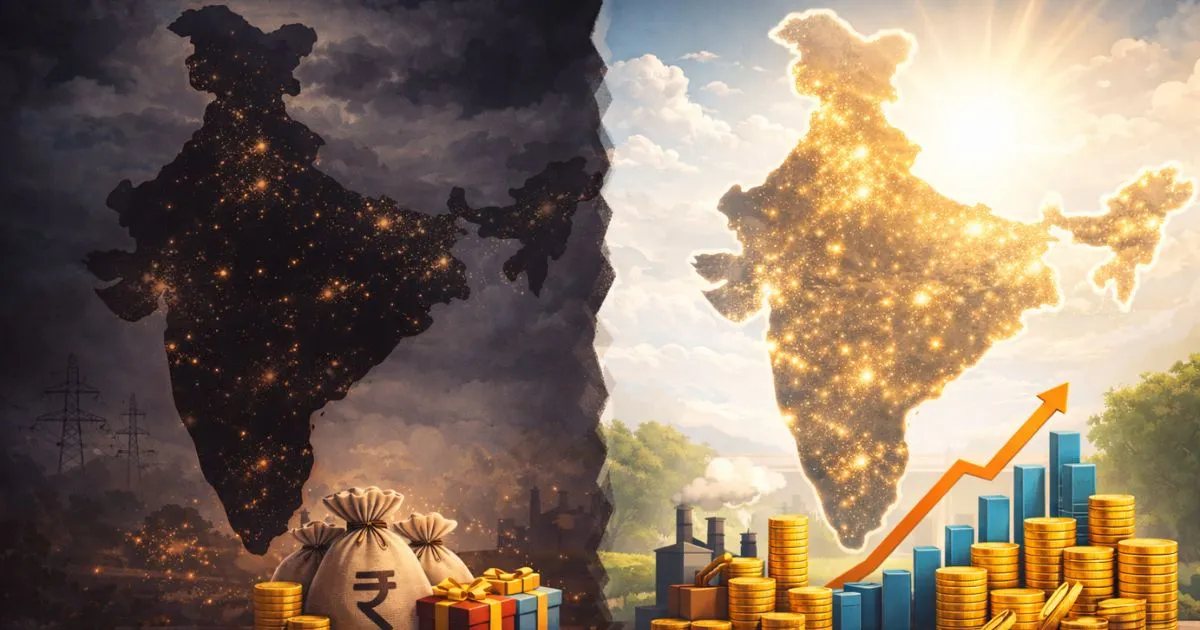
The Supreme Court of India has strongly criticized the growing “freebies culture” in Indian politics, observing that state governments must prioritize long-term employment opportunities instead of short-term populist subsidies.
During recent proceedings, the apex court expressed concern that excessive distribution of free schemes could impact fiscal discipline and increase economic deficits if not carefully managed.
The court noted that while welfare measures are part of governance, indiscriminate distribution of freebies without revenue backing can strain state finances. It suggested that governments should invest more in:
Job creation programs
Skill development initiatives
Sustainable economic growth strategies
The bench observed that long-term employment provides dignity and economic stability, unlike temporary subsidies that may offer short-term relief but create long-term financial burdens.
Legal and economic experts often distinguish between:
Welfare schemes: Targeted support for vulnerable groups (food security, healthcare, education)
Freebies: Broad, often election-driven promises of free goods or services without clear fiscal planning
The Supreme Court has previously flagged concerns about the financial implications of such practices during election cycles.
The court warned that unchecked populist spending can:
Increase state debt
Widen fiscal deficits
Reduce funds for infrastructure and development
Affect long-term economic stability
Several states have seen rising subsidy burdens in recent years, prompting debate among policymakers and economists.
The issue of freebies has become politically sensitive, especially ahead of elections. Political parties often defend such schemes as social justice measures aimed at helping low-income families.
However, economists argue that sustainable employment and industrial growth provide more lasting economic benefits than direct cash or material handouts.
The Supreme Court’s remarks may influence ongoing debates about:
Fiscal responsibility laws
Election promises and accountability
State budget priorities
While the court cannot directly dictate policy choices, its observations carry significant weight in shaping national discourse.
2 weeks ago
2 weeks ago
2 weeks ago