2 weeks ago
3 weeks ago
3 weeks ago
4 weeks ago
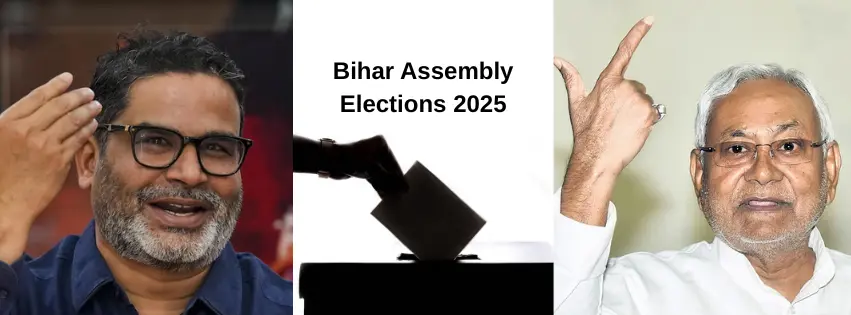
As Bihar approaches the crucial 2025 Assembly elections, the political air in the state is thick with anticipation, speculation, and behind-the-scenes negotiations. One of the most talked-about developments is the ongoing discussion between Asaduddin Owaisi’s All India Majlis-e-Ittehadul Muslimeen (AIMIM) and the Mahagathbandhan or Grand Alliance — an opposition coalition that includes the Rashtriya Janata Dal (RJD), Indian National Congress, and a few left parties.
While seat-sharing negotiations are still underway, the potential inclusion of AIMIM into the Grand Alliance could dramatically shift the balance of power. This comes at a time when Chief Minister Nitish Kumar, leading the JD(U)-BJP coalition, is eyeing yet another term despite growing anti-incumbency sentiments, particularly among youth and marginalised communities.
What makes this development especially significant is AIMIM’s growing influence in the Seemanchal region — a socio-economically backward and Muslim-majority belt covering districts like Kishanganj, Araria, Katihar, and Purnia. In the 2020 Assembly elections, AIMIM surprised many by winning five seats in this region, giving the party a firm footing in Bihar's political landscape. Though a few of its MLAs later defected to RJD, the message was clear: AIMIM could no longer be ignored.
For voters in Seemanchal, the alliance talks offer a glimmer of hope that long-ignored developmental issues — such as poor infrastructure, flood management, education, and healthcare — might finally find voice in the assembly. “We don’t care who wins or loses, we just want someone to remember our roads, our schools, our youth,” said Aamir Hussain, a college student in Araria.
The Grand Alliance, especially RJD, is treading cautiously. While Owaisi’s presence could consolidate Muslim votes and dent BJP’s prospects, it also risks alienating a section of secular voters who view AIMIM with suspicion. Additionally, both RJD and AIMIM have strong personalities at the helm — Tejashwi Yadav and Asaduddin Owaisi — which means negotiations over seat-sharing could be anything but smooth.
Still, many believe that a united opposition is Bihar’s best chance at challenging the ruling alliance. Whether the talks materialize into a formal partnership or dissolve under the weight of political egos remains to be seen. But one thing is certain — Bihar’s 2025 election is no longer a simple two-cornered contest. The battlefield is widening, and so are the stakes.
2 weeks ago
2 weeks ago
2 weeks ago