1 week ago
1 week ago
1 week ago
2 weeks ago
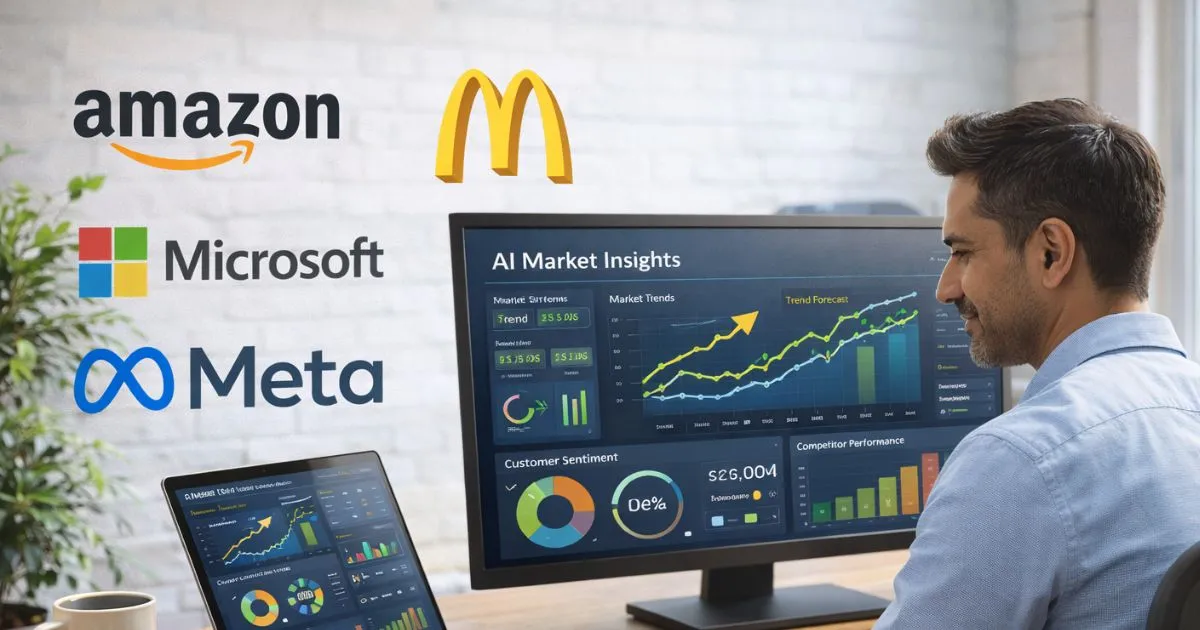
In 2026, the playing field between "Mom and Pop" shops and multinational corporations has finally leveled. For decades, global giants like Amazon, Walmart, and Netflix held a massive advantage through their multi-billion dollar AI departments. Today, thanks to the democratization of technology, a three-person startup can access the same "brainpower" for less than the cost of a daily coffee.
AI Tools & Market Realities:
Democratized AI Models: Small firms now use APIs from OpenAI (GPT-4o) and Google DeepMind (Gemini 1.5) to build custom solutions.
The "Giant" Standard: Amazon uses AI for predictive shipping; small retailers now use Shopify Magic and Inventory Planner AI to do the same.
Customer Service: While Microsoft and Salesforce power global enterprises, SMEs use Tidio or Intercom AI to provide 24/7 support that feels personal.
Content Mastery: Netflix uses AI to predict hits; small creators use Jasper and Canva AI to produce viral marketing content in seconds.
Read our other articles:
The secret for 2026 entrepreneurs isn't just "having AI"—it’s agility. While giants like Procter & Gamble take months to deploy new AI systems across thousands of departments, a small business can pivot in a single afternoon.
1. Personalization at Scale Using tools like Klaviyo or Mailchimp AI, small businesses are creating "hyper-personalized" emails. By analyzing customer behavior, they can send a discount code for a specific item exactly when the customer needs it—matching the predictive power of Amazon.
2. Content Creation Without a Crew Small brands are using Pictory and Synthesia to create professional video ads. In the past, only giants like Coca-Cola could afford high-end video production. Now, an AI-generated avatar can act as a global brand ambassador for a boutique label.
3. Data-Driven Decisions Spreadsheets are dead. In 2026, small business owners use Tableau Pulse or Power BI (Copilot) to ask questions like, "Which product should I restock for the summer?" This real-time intelligence allows them to manage cash flow as efficiently as Goldman Sachs.
The focus is shifting toward "Agentic AI." Instead of just writing text, AI agents will soon handle entire workflows—from booking suppliers to managing social media accounts. For the small business owner, this means your team doesn't need to be big to be powerful. In 2026, you don't need a corporate budget; you just need a strategic AI stack.
Research based on 2026 business trends from Zoom Workplace, LinkedIn Small Business Report, and Google Cloud Blog.
3 days ago
4 days ago
5 days ago