1 week ago
1 week ago
1 week ago
2 weeks ago
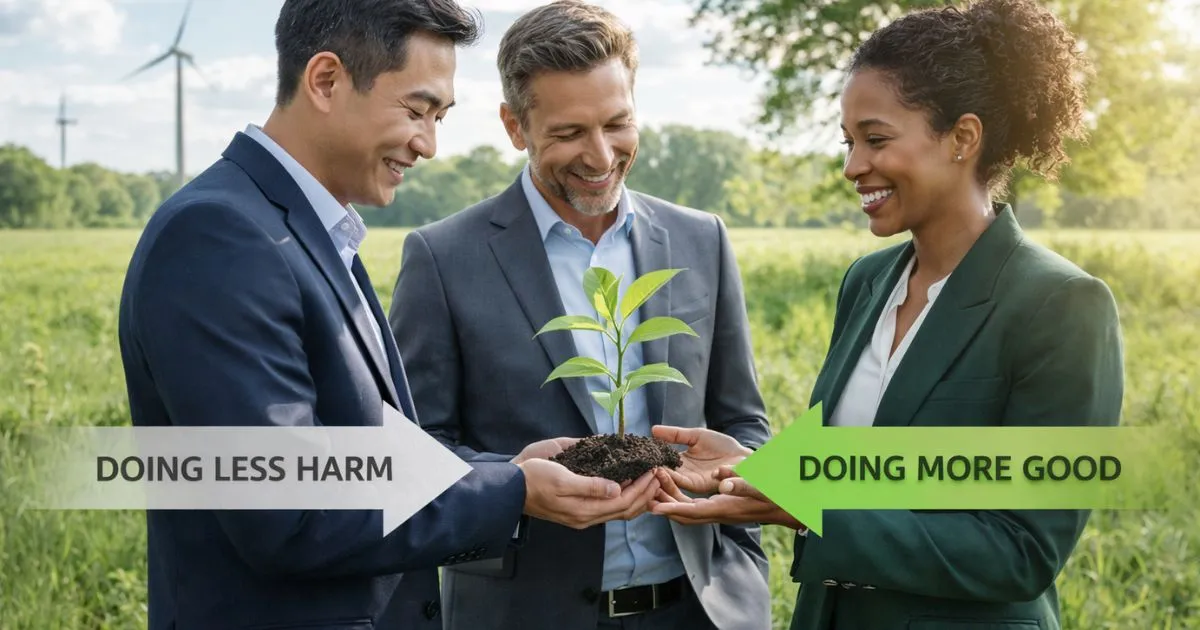
In 2026, sustainability is no longer a "marketing extra"—it is the core engine of successful entrepreneurship. Investors and consumers are no longer satisfied with vague promises; they demand measurable impact. Today’s business leaders are shifting from "doing less harm" to actively "doing more good" through regenerative practices.
Modern startups are moving away from the "take-make-waste" model. Instead, they design products for circularity, ensuring they can be reused, refurbished, or recycled. Companies like Re-Match and Plus Pack are leading the way by treating waste as a valuable resource rather than a disposal problem.
AI is a double-edged sword. While it optimizes efficiency, its energy and water consumption are massive. In 2026, entrepreneurs are adopting Ethical AI scorecards. This involves using AI to reduce waste and optimize logistics while ensuring the AI itself runs on renewable energy and uses water-efficient cooling systems.
The focus has shifted from just "Profit" to People, Planet, and Profit. Modern entrepreneurs use this framework to ensure that their financial success does not come at the expense of the environment or social equity.
B Corp is now the global "gold standard" for transparency. New standards launched in January 2026 require businesses to meet mandatory minimums in areas like climate action and fair work. This certification helps startups attract top talent and "impact investors" who prioritize long-term resilience.
Entrepreneurs are now looking deep into their supply chains. Using blockchain and AI-driven traceability, businesses are ensuring that even their sub-suppliers (Tier 2 and 3) follow ethical labor practices and environmental standards.
Food and textile startups are increasingly using vertical farming and regenerative methods. These practices use up to 98% less water and zero pesticides, allowing businesses to grow materials locally and reduce "food miles" or "fabric miles."
The biggest challenge for 2026 entrepreneurs is reducing Scope 3 emissions—those produced by suppliers and customers. Startups are now forming "multi-year partnerships" with suppliers to co-finance green upgrades rather than just demanding lower prices.
From seaweed-based coatings to paper-based RFID tags (like PulpaTronics), entrepreneurs are replacing fossil-fuel plastics with biomaterials. These materials are home-compostable, meaning they leave no trace after their useful life.
Instead of high upfront costs, small businesses are using Energy-as-a-Service (EaaS) models to power their offices with wind and solar. This turns energy management from a fixed cost into a flexible, margin-improving opportunity.
Vague "greenwashing" is dead. In 2026, entrepreneurs treat ESG data like financial data. They use digital tools to provide real-time, audited proof of their carbon footprint and social impact, building deep trust with the modern "conscious consumer."
Research based on 2026 sustainability trends from IMD Business School, B Lab Global, and SAP Supply Chain Insights (March 2026). https://www.bcorporation.net/
4 days ago
4 days ago
5 days ago