2 days ago
5 days ago
1 week ago
1 week ago
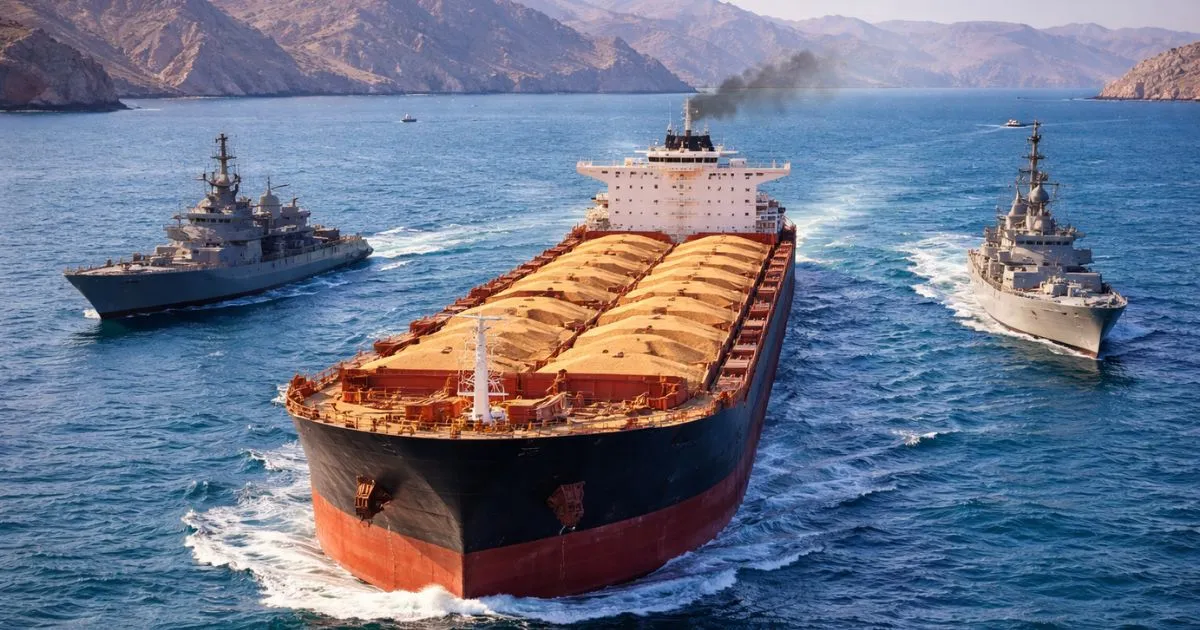
In a rare moment of diplomatic success during the 29th day of Operation Epic Fury, international mediators have secured a "humanitarian carve-out." As of March 28, 2026, a landmark agreement has been reached to allow the safe passage of humanitarian and agricultural shipments through the Strait of Hormuz, a chokepoint that has been largely paralyzed by the ongoing US-Israel-Iran war.
Read our previous report on US-Israel-Iran war:
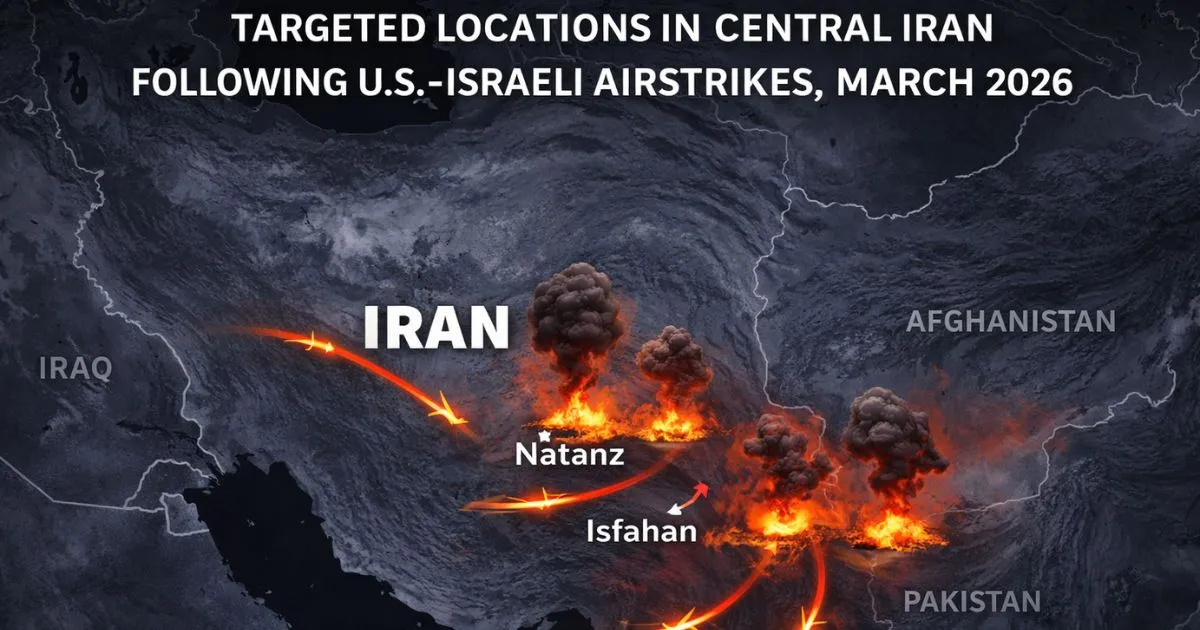
US-Israel War on Iran Day 22: Natanz Nuclear Site Targeted as Conflict Hits Global Bases
West Asia on Fire: Iran Names New Supreme Leader Amid Escalating War with Israel and U.S.
US-Israel-Iran War Day 19: Massive Retaliation Hits Tel Aviv; Global Energy Crisis Deepens
The "Blue Corridor" Agreement:
The Mediators: The deal was brokered after 72 hours of intensive "shuttle diplomacy" by Qatar, Oman, and the United Nations.
The Scope: The agreement specifically exempts vessels carrying wheat, corn, fertilizers, and medical supplies from military targeting or seizure by any faction.
The Monitoring: To ensure the corridor is not used for military smuggling, ships will be inspected in Salalah, Oman, and escorted through the Strait by a Neutral Naval Monitor (NNM) fleet composed of Indian, Brazilian, and South African vessels.
| Commodity | Pre-Breakthrough Price | Post-Breakthrough Price | Change (%) |
| Wheat (per bushel) | $12.40 | $10.15 | -18% |
| Fertilizer (Urea) | $980/ton | $810/ton | -17% |
| Maritime Insurance | War Risk Surcharge (High) | Standard+ (Stable) | -30% |
Before this breakthrough, the closure of the Strait had threatened a global famine scenario.
Fertilizer Crisis: Russia and Iran are key exporters of agricultural inputs. The blockage had sent fertilizer prices soaring, threatening the 2026 harvest seasons in India, Brazil, and Africa.
Energy vs. Food: While the corridor does not yet apply to oil and gas tankers (which remain subject to the ongoing blockade), the separation of "food from fuel" is seen as a vital step in preventing a total humanitarian collapse in the region.
While President Trump called the move a "common-sense victory for the world," Iranian officials emphasized that the opening is "strictly for the benefit of the oppressed" and does not signal a ceasefire in the broader conflict. Military analysts suggest this de-escalation may provide the necessary breathing room for more formal peace talks in Geneva next month.
Source / Resource: Data and policy updates from the UN International Maritime Organization (IMO), Reuters Commodities Desk, and World Food Programme (WFP) 2026 Briefing.
3 hours ago
3 hours ago
14 hours ago