2 weeks ago
3 weeks ago
3 weeks ago
4 weeks ago
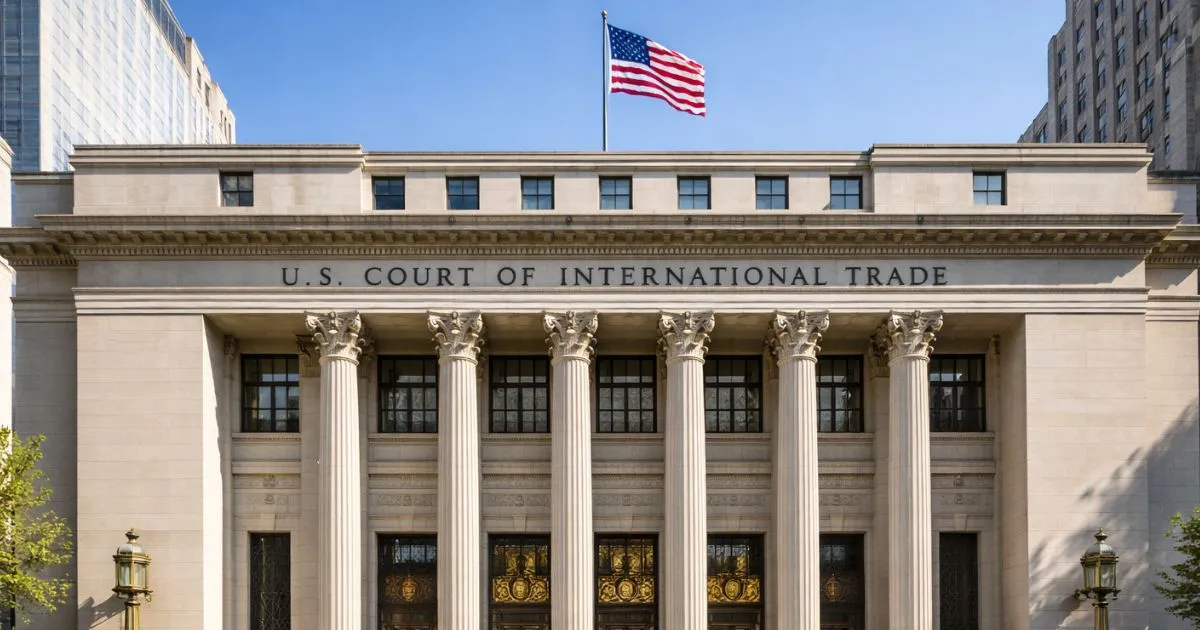
The legal battle over the Trump administration’s emergency trade policies reached a historic climax in March 2026. Following a landmark Supreme Court decision in late February, a federal trade court has officially ordered the U.S. government to begin the process of returning more than $130 billion in collected tariffs to over 330,000 importers.
Official Case File & References:
Supreme Court Case: Learning Resources, Inc. v. Trump (No. 24–1287), decided Feb 20, 2026.
Lead Refund Case: Atmus Filtration, Inc. v. United States (Case No. 26-cv-01259).
Key Ruling: Judge Richard K. Eaton of the U.S. Court of International Trade (CIT) issued the refund order on March 4, 2026.
Current Status: The CIT has ordered nationwide refunds; however, implementation is currently paused for 45 days (until mid-April) to allow U.S. Customs to build an automated repayment system.
On February 20, 2026, the Supreme Court ruled 6-3 that the International Emergency Economic Powers Act (IEEPA) does not grant the President the authority to impose broad-based tariffs. The Court emphasized that the power to tax and set tariffs belongs exclusively to Congress. This effectively invalidated the "Reciprocal Tariffs" and the specific duties tied to fentanyl and immigration emergencies imposed throughout 2025.
Following the SCOTUS ruling, Judge Richard Eaton took a firm stance, stating that the government must return "every penny" collected under these unlawful duties.
The "Manual" Bottleneck: U.S. Customs and Border Protection (CBP) initially argued that manually reviewing over 70 million entries would be impossible.
The CAPE Module: On March 12, 2026, CBP proposed a new automated module called Consolidated Administration and Processing of Entries (CAPE) within the ACE system to handle refunds more efficiently.
Interest Included: The court has confirmed that refunds will be issued with interest, significantly increasing the total liability for the federal government.
While the order applies broadly, experts suggest that companies with liquidated entries (finally settled transactions) should still file formal protests within 180 days to safeguard their rights. The Trump administration is expected to appeal the CIT’s "nationwide" scope to the Federal Circuit, potentially prolonging the wait for some businesses. Meanwhile, the administration has already pivoted to Section 122 and Section 301 authorities to keep tariff revenues stable in 2026.
Legal filings and summaries from the U.S. Court of International Trade, National Association of Manufacturers (NAM), and CBIZ Trade Insights (March 13, 2026). https://www.cit.uscourts.gov/
2 weeks ago
2 weeks ago
2 weeks ago