2 weeks ago
3 weeks ago
3 weeks ago
4 weeks ago
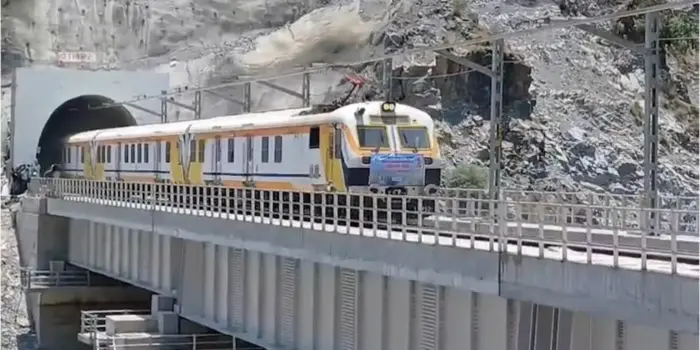
The new rail line isn’t ordinary. It stretches across treacherous terrain, piercing through the majestic Pir Panjal range with 36 tunnels and 943 bridges, including the engineering marvel that is the Chenab Bridge—the world’s highest railway bridge, taller than even the Eiffel Tower. It’s a monument not just to engineering prowess, but to the government’s commitment to integrating Kashmir more deeply with the rest of the country.
Standing at the newly built station in Baramulla, Prime Minister Modi addressed a large gathering, many of whom had never seen a train up close before. For the people of Kashmir, especially in remote villages, this railway is more than transportation—it’s a lifeline. “This track will carry not just passengers and goods, but dreams and aspirations,” Modi said, emphasizing that tourism, trade, and connectivity will now move faster than ever before.
His visit to Kashmir—the first since the recent deadly border skirmish with Pakistan—carried a strong message. He offered condolences to the families of soldiers and civilians who lost their lives, and firmly condemned Pakistan’s continued provocations. But Modi also struck a tone of reassurance and progress: “Our answer will not only be in words or weapons, but in roads, railways, and rising hopes,” he declared.
Locals welcomed the development with cautious optimism. “We’ve seen promises before, but this feels different. This rail line has already started changing our village. Tourists, traders, students—they are all talking about coming,” said Abdul Qayoom, a tea shop owner near the Qazigund station.
The project is also expected to strengthen military logistics in the strategically sensitive region, giving the Indian Army faster access to forward posts.
As the first train whistled through the valley, weaving its way past snow-capped peaks and green meadows, it carried not just passengers, but a promise — of a Kashmir more connected, more confident, and more hopeful.
2 weeks ago
2 weeks ago
2 weeks ago